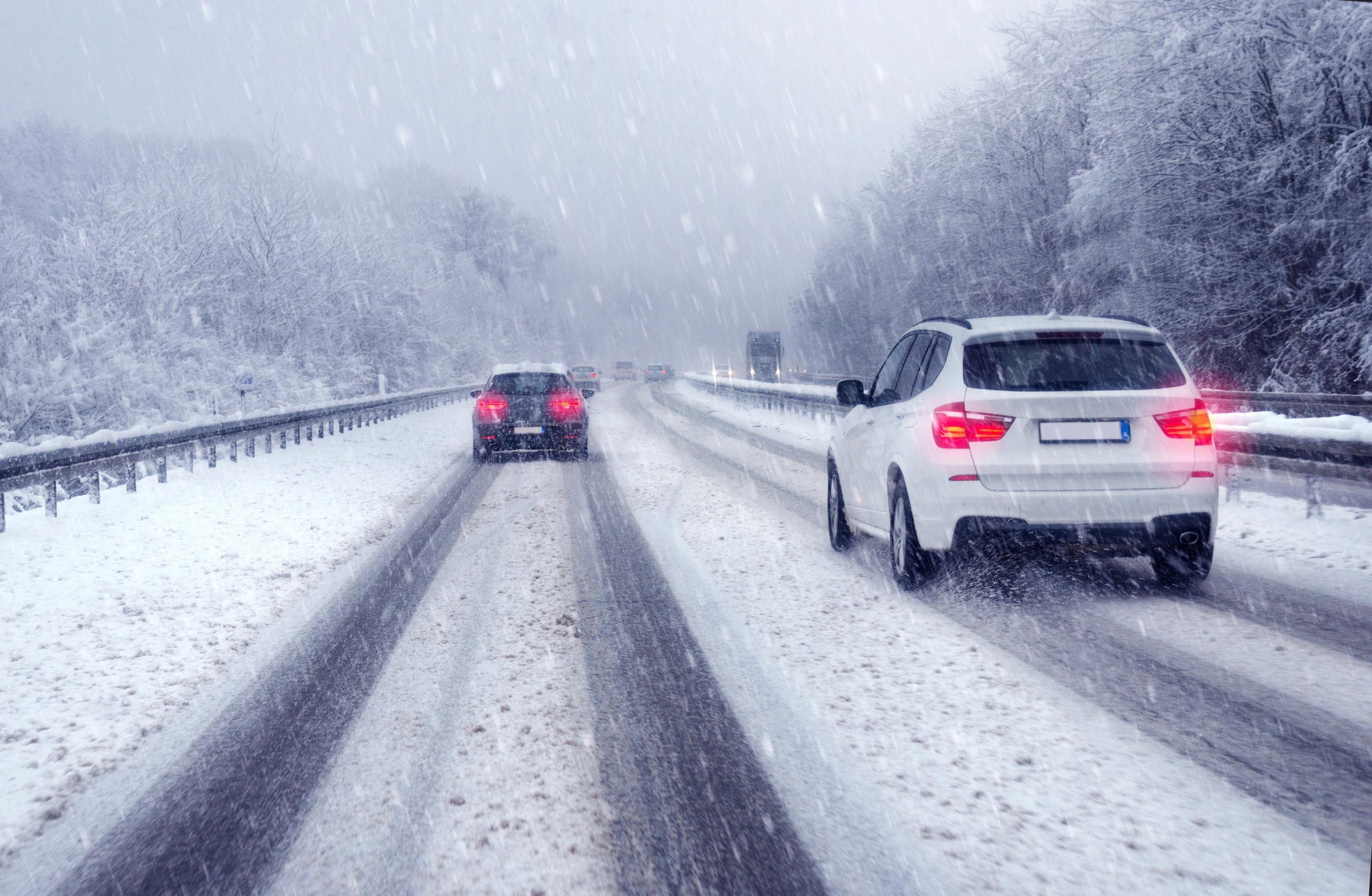
Winter brings a lot of new challenges to the roads, including frosty mornings, low sun and icy road conditions. Combine all this with an increase in traffic with people driving home for Christmas, visiting friends and families, and Christmas present shopping, you need to make sure you’re prepared for driving during the winter season.
In this guide, we’ll explore the different challenges of winter driving, provide expert winter driving tips and look at how you can prepare your car for winter.
Why can winter driving be challenging?
Road hazards can easily increase during the winter season, with colder weather conditions, reduced visibility and heavier traffic. All these elements can complicate driving and often lead to accidents. According to UK car accident statistics for 2024, the winter months contribute to a noticeable rise in road incidents.
Snow and ice
Snow and ice are among the biggest culprits behind winter driving incidents. Icy surfaces can cause people to lose control of their vehicle and significantly increase the required stopping distances. Cold temperatures also take a toll on your car in the form of affecting tyre pressure, battery performance and even thickening engine fluids.
Visibility
Heavy snow, rain and sleet can very quickly reduce visibility. Before setting off, you should always clear frost and ice from your car windows and ensure you have full visibility.
Driving in the dark also brings extra challenges, especially with glare from oncoming headlights and wet or icy roads reflecting light. If there is fog on the roads, you should ensure you use your fog lights when appropriate (generally when visibility drops below 100m).
Traffic
Traffic volumes can increase significantly in the run-up to Christmas as people start travelling for shopping, festive events and visiting friends and family. Some of the busiest days on the roads in the UK occur in late December.
What is the recommended winter driving advice?
Winter requires more concentration and cautiousness when driving for a safe journey on the roads. We’ve put together our top winter driving tips in one handy place in our recent blog post, but we’ve summarised them for you here below.
- Leave extra room between your car and the vehicle in front. Stopping distances can be up to 10 times longer in icy conditions.
- Check weather conditions and travel alerts before setting off and ensure you’re prepared for the forecast.
- Keep your speed steady and avoid sharp breaking.
- Keep your lights, number plate and windscreen completely clear of dirt or obstructions.
- If you start to skid, gently steer into the skid rather than breaking hard.
Winter driving tips during the festive season
December is a time when many people are out celebrating the festive season, making it even more important to be vigilant on the roads. Drivers are more likely to be taking long trips, driving whilst tired or feeling pressure to get to their destinations quickly. Whilst traffic volumes increase, so does the chance of drink-driving incidents with December being the second worst month for drink-driving crashes.
Plan ahead
You should plan your journey carefully, and ahead of time. Check the weather forecast the night before and make sure you’re factoring in extra time so you’re not rushing. You should also be on alert for weather warnings in the colder months as this can have an impact on your journey.
If you’re going out with friends to celebrate the festive season, make sure you’ve decided ahead of time who is going to be the designated driver. This way there will be no blurred lines around who’s responsibility it is to get everyone home safely.
Share the load
Sharing the driving can help to reduce tiredness over long festive journeys. If you’re driving someone else’s car, you should make sure you’re properly insured. Short-term car insurance is the perfect solution to this problem, offering a flexible and affordable option for driving a friend or family member’s car.
Don’t decorate
The Highway Code states that windscreens and windows must be kept clean and free from obstructions to ensure that your vision is not impaired whilst driving. This means no festive tinsel, stickers or ornaments that will restrict your view. Breaking this rule may cause dangerous distractions and lead to hefty fines of up to £1,000 and three penalty points.
Checklist: preparing your car for winter
For a smooth and safe festive season of driving, you should ensure that your car is properly prepared for the winter weather.
Essential checks
Before you set off on your journey, make sure to check:
- Windscreen is clear/de-iced
- Tyre tread depth and pressure is acceptable
- Brakes are working
- All lights are working (headlights, indicators, brake lights)
- Fluids are topped up (screenwash, oil, engine coolant)
- You have enough fuel for the journey
Refuel/recharge
Fuel efficiency drops in colder weather, and electric vehicles will lose battery charge faster. You should always set off on your journey with plenty of fuel, and it is a good idea to leave with more than you expect to need just in case of winter delays or diversions.
Clear windscreen
Legally, your windscreen must be fully clear before driving. To remove ice effectively from your windscreen:
- Use a proper scraper, not hot water
- Switch on your demisters early
- Avoid wiping condensation as this will make it smear and further reduce your visibility
You can find out the cheapest ways to de-ice your car this winter with our handy guide.
Breakdown kit
You should make sure to bring a breakdown kit for every winter car journey your take. Useful items to include in your kit are:
- Warm blanket and gloves
- Torch
- Phone charger
- First aid kit
- De-icer and scraper
- High-visibility jacket
- Jump leads
- Snacks
- Water
- Tyre inflator or repair kit
Winter driving FAQs
What are common winter weather driving fines?
Common fines include:
- Driving with obscured windows or mirrors
- Not clearing snow from the roof
- Not making sure your number plates are visible
- Driving with low tyre tread
- Using your lights incorrectly
- Leaving your car running unattended to defrost
Should I book a winter car check?
A winter car check is optional but beneficial. If you book a winter car check, you will get a professional inspection of your car’s brakes, tyres, fluids and batteries. The downside to getting a winter car check is the extra cost; however, many drivers find the cost worthwhile for the peace of mind.
Are winter tyres worth it?
Winter tyres offer better grip below 7°C, especially on icy or snowy roads. They can improve breaking distances and handing so many people in more remote areas where the roads don’t get gritted as often find them a necessary choice. They do require storage and can have a significant cost so all-season tyres can offer a balanced alternative.
Make sure you’re insured for driving during the winter season
Whether you’re sharing the drive home from a family gathering or borrowing a car for holiday shopping, having the correct insurance is essential, especially in winter when the risks are higher.
Our short-term car insurance is flexible, affordable and you can be covered in minutes. With cover from just one hour up to 30 days, get a quote today and save money on your policy using our app.