Learning to drive over winter can feel exciting but also a little daunting. You might be home more than usual, sharing a busy family schedule, or dealing with colder weather and shorter days that make every journey feel different.
It’s completely normal to have questions about learner driver insurance, supervision rules and safe driving at this time of year.
With the right preparation, winter can actually be a great time to build your confidence. You may be practising on more familiar roads, have more flexibility with family or friends who can supervise you and a chance to experience plenty of real-life driving scenarios.
Here, we’ll talk about insurance options, winter driving basics, legal requirements and simple ways to plan stress-free practice sessions. And if you want flexible cover that fits around your plans, we’ll also explore how short-term policies can help you learn safely throughout the winter months.
Do learner drivers need insurance to practise over winter?
Yes. If you’re practising in any car outside your professional lessons, you need your own insurance in place. This applies all year round, including over winter.
Learner driver insurance lets you drive either a car you’ve borrowed or the car you’ve bought for when you pass your test, with a supervising passenger, while keeping everyone protected if something goes wrong.
Why lots of learners choose separate learner driver insurance
Many learners choose dedicated learner driver insurance instead of being added as a named driver on an existing annual policy. This is because:
- If the car is owned by someone else, it protects the owner’s no claims bonus if there’s an accident.
- It avoids changes to someone else’s annual policy.
- It’s flexible, so you only pay for the cover you need.
Short-term cover is especially popular in winter. You can choose learner driver insurance for just the time you need, such as one-day cover or pay-as-you-go insurance. That way, you only pay for the time you’re actually practising.
Does temporary learner insurance appear on the MIB database?
Some learners ask whether temporary learner insurance appears on the MIB database. The answer depends on the insurer and how their data is passed on.
Dayinsure guarantees to update the Motor Insurance Database every seven days, and more often in some cases. It’s still a good idea to keep a copy of your insurance certificate with you while you’re covered, just in case you need it.
Short-term learner cover works much like regular car insurance, but it’s designed for supervised practice. With Dayinsure, you choose the length of cover, make your purchase, then receive links to your policy information by email to download on our app or website.
Once your policy is in place and you’ve read through the terms, you’re ready to practise within the rules for learners.
What is learner driver insurance and how does it work?
Learner driver insurance is cover that lets you practise in either yours or someone else’s car while you’re still on a provisional licence. It gives you your own policy, so you’re insured to drive the car as long as you comply with the rules laid out in your policy, including following specific supervising adult criteria.
The big difference is that if you’re borrowing a car to learn in, your learner driver cover is separate from the car owner’s main insurance. If you have an accident while practising, their no claims bonus stays protected. You simply choose how long you want the cover to last, from a single day to a few weeks, and start practising once your cover is valid and your documents arrive.
What you can expect from Dayinsure short-term learner insurance
- Choose your length of cover, from one day to five months
- Receive a link to your policy information within minutes, to download either from our website or app
- Start practising as little as 15 minutes after receiving your policy information, within the rules for learner drivers
This flexibility works well in winter, when routines can change and practice often needs to fit around weather, daylight and shared car use.
Can you practise in a family member’s car?
When you take out Dayinsure learner driver insurance, you can practise in a parent’s, friend’s or family member’s car, as long as you meet our policy terms and the legal learner driver rules.
To be covered with Dayinsure, you must:
- Be insured on the car.
- Follow all learner driver laws.
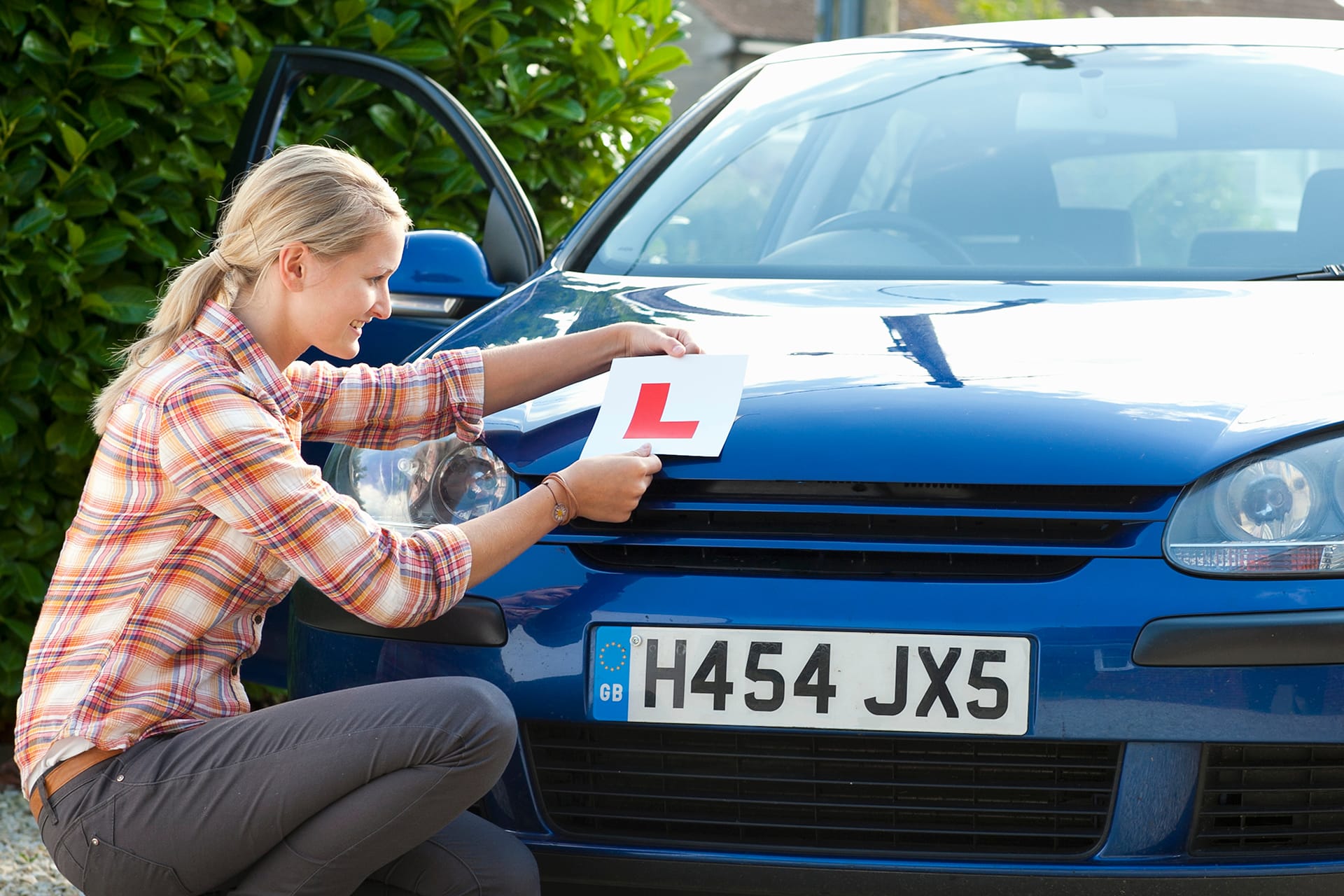
- Display L plates correctly.
- Have a suitable supervising driver who meets Dayinsure’s requirements.
For Dayinsure cover, your supervising driver must:
- Be aged 25 to 75.
- Have held a full GB driving licence for at least 3 years.
- Be qualified to drive the type of vehicle you’re learning in.
For example, if you’re learning to drive a manual car, your supervising driver must hold a full manual licence.
Many families choose temporary car insurance because it keeps things simple. It also gives you the freedom to fit practice sessions around winter plans without changing the car owner’s annual policy.
Practising over winter
Winter can be a good time to fit in extra practice, especially if family or friends are available to help. Just remember that learner driver rules don’t change because of the season.
You still need to be properly insured, display L plates and practise with a supervising driver who meets Dayinsure’s policy requirements. If you’re unsure, it’s always worth double-checking before you set off.
There are also a few seasonal things to keep in mind. Social events can sometimes involve alcohol, so your supervising driver must not have had anything to drink. Even one drink means they’re not fit to supervise, which could invalidate your cover.
You’re allowed to practise at any time of day, including evenings, weekends and Bank Holidays. You can also drive in winter conditions, such as rain, ice or snow, as long as you’re driving safely and within the law. It’s sensible to choose quieter routes and conditions that match your confidence and experience.
If the weather or traffic feels overwhelming, it’s okay to wait. Building confidence gradually is part of learning to drive, and there’s no rush.
Who can supervise you?
To meet Dayinsure’s supervising driver criteria, your supervising driver must:
- Be between 25 and 75 years of age
- Have held a full UK driving licence for at least three years
- Hold the correct licence for the car (manual if you’re learning in a manual)
- Sit in the front passenger seat
- Be fit to drive and fully alert
If your supervisor has been drinking, they cannot supervise you.
A good supervisor stays patient, calm and ready to guide you. Before you set off, it can help to agree on simple cues or ways to communicate, especially in winter when road conditions can change quickly.
When and where you can practise over winter
You can practise at any time of day, including weekends and bank holidays. The key is choosing times and routes that match your confidence.
Best times to practise
- Early mornings often have quieter roads
- Daylight can feel easier if you’re new to winter driving
- Avoid busy late afternoons or evenings if you feel anxious in heavier traffic
Choosing the right roads
- Start with familiar or quieter residential streets
- Gradually move to busier routes with your supervisor’s support
- Don’t feel pressured to drive in conditions that feel unsafe
If the weather changes
Fog, ice, snow and heavy rain can all affect your confidence. It’s completely fine to postpone a session if conditions feel unsafe or you don’t feel confident driving in them. Even experienced drivers need to take extra care on the roads in winter.
Quick checklist before you drive
Before you head out, make sure you have:
- Valid learner driver insurance for the car you are using
- L plates fitted on the front and back
- A supervising driver who meets the insurance company’s criteria
- A suitable route planned for the conditions
- Good visibility and safe weather for practice
- A car that’s roadworthy, with lights and mirrors clear of ice or snow
Winter driving basics every learner should know
Winter can be a great time to build your skills, but it also brings darker days, colder temperatures and constantly changing road conditions. A few simple habits can make your practice sessions feel safer and more controlled.
Before you drive
- Clear all snow and ice from the car
- Fully demist the inside windows
- Check tyre tread and tyre pressure
- Clean lights, indicators and mirrors
- Pack a simple winter kit (ice scraper, warm clothes, torch, phone charger)
On the road
- Take things slowly
- Leave more space between you and the car in front
- Steer and brake gently
- Avoid sudden movements
If the weather becomes too severe, don’t rush to get out and practise. Waiting for safer conditions can help you stay confident in the long run.
Staying safe on dark evenings and icy roads
Winter evenings can feel very different from daytime driving, so give yourself time to settle in and get used to the conditions.
Helpful habits
- Keep your speed steady according to the road’s speed limit
- Choose better-lit or familiar routes
- Take short breaks if you feel tense or tired
Handling icy roads
- Move off gently
- Avoid sudden braking
- Leave a bigger gap between vehicles
- Stay calm if the car slides and steer smoothly
What to do if conditions aren’t safe to drive
If the weather feels unsafe, it’s best not to drive at all. Even experienced drivers avoid driving during heavy snow, thick fog or severe ice. Speak to your supervisor, check the forecast, and make a joint decision about whether the roads are suitable for practising.
You can use the time to plan future routes, talk through tricky situations, or brush up on your driving theory instead. Staying patient and waiting for better conditions can help you to retain your confidence when you do get back on the road.
Planning a calm, productive practice routine over winter
Winter can be a great time to build confidence, but it can also be busy. Shared cars, shorter daylight hours and unpredictable weather can all affect your plans.
A little structure can make sessions feel smoother.
Tips for easier sessions
- Agree what you want to work on, e.g. roundabouts, parking, night driving, winter-specific skills
- Choose routes that suit your confidence level
- Practise at quieter times if possible
- Turn everyday journeys into learning opportunities
- Keep sessions short, focused and calm
If your test is coming up soon, gentle, regular practice helps you feel prepared without adding pressure.
Making short-term learner insurance work for winter
Short-term learner insurance is perhaps the best way to fit practice around winter plans, especially if you’re:
- Home from university
- Visiting family for a few days
- Borrowing a car only now and then
You can get cover only for the time you need, which keeps things flexible.
Weekend only and short-term options
Learner driver insurance can come in different lengths, depending on how and where you’re practising.
If you’re learning to drive in your own car, Dayinsure cover starts from one month. This suits learners who want regular practice without committing to a full annual policy.
If you’re practising in someone else’s car, short-term options can be a flexible choice. Some drivers look for weekend-only cover so they can practise around work, school or family plans.
We don’t offer hourly learner insurance, but our short-term policies are designed to give you simple, reliable cover for the time you need, without overcomplicating things.
What cars can a learner insure temporarily?
With Dayinsure, learners can usually get temporary cover on most standard cars, as long as the vehicle meets our policy criteria.
There are some limits around things like the car’s age, value and performance, as well as how it’s used. These checks help make sure the car is suitable for learner driver cover.
Before you buy a policy, it’s important to check the vehicle details and any exclusions. That way, you can be confident the car you plan to practise in meets Dayinsure’s requirements and is covered from the moment you start driving.
When temporary cover could save you money
Temporary cover is likely to be the most cost-friendly choice if you’re only driving for a short time. If you’re practising on selected days, paying for a full month or being added as a named driver may not make sense.
Your cover doesn’t end automatically when you pass. If there’s time left on your policy, you’ll need to cancel it so it doesn’t continue unused.
Before you drive on your full licence, you’ll need to take out a different type of insurance, such as short-term car insurance or an annual policy, that’s suitable for qualified drivers.
Feeling ready for the road ahead?
With the right insurance, a calm supervisor and simple winter safety habits, you can practise real journeys at a pace that feels right for you.
If you only plan to drive now and then, short-term learner insurance can fit around your winter plans without changing someone else’s annual policy.
When you’re ready, you can check how Dayinsure’s flexible short-term learner driver insurance could support your winter practice. It only takes a few minutes to see what works for you.
Learner driver insurance FAQs
Do I need learner driver insurance outside lessons?
Yes. You need your own insurance any time you practise outside of your lessons. Your driving school’s insurance only covers you during professional lessons.
Can I practise in my parents’ car?
Yes. You can practise in your parents’ car as long as the vehicle meets Dayinsure’s policy terms and you follow both the legal learner driver rules and Dayinsure’s insurance criteria. L plates must be displayed, and your supervising driver must meet Dayinsure’s supervising driver criteria. A separate learner policy also helps protect your parent’s no claims bonus.
Can learners drive in snow or icy weather?
You can, but only if the conditions are safe and you feel confident. If the weather becomes unsafe, it’s best not to practise at all.
Is short-term learner insurance cheaper than being a named driver?
It can be, especially if you only plan to drive occasionally. Short-term cover lets you pay for the time you need and avoids changes to the car owner’s annual policy.
Can I get weekend-only learner driver insurance?
Yes. Dayinsure offers short-term learner driver insurance, including weekend and longer fixed-length policies. We don’t offer hourly learner cover, but our options make it easy to choose insurance that fits around your plans.
What happens if my learner insurance is active when I pass my test?
Once you pass your test, your learner insurance can’t be used, as it only covers provisional licence holders. Your cover stops at that point, but the policy doesn’t end automatically, so you’ll need to cancel it if there’s time left on cover.
Before you drive on your full licence, you’ll need to arrange new insurance for qualified drivers, such as short-term car insurance or an annual policy.