You probably know you need car insurance to drive in the UK. But what about when your car is just sitting on the driveway? Or parked on the road while you’re between policies? Or declared off the road?
The rules around when your vehicle must have valid insurance cover can feel confusing. There’s everyday language like “off the road,” legal terms like SORN and Continuous Insurance Enforcement, and serious penalties if you get it wrong.
In this guide, we’ll walk you through the rules. You’ll see when your car must be insured, when it doesn’t have to be, and how short-term cover can help you stay legal without committing to a full year’s policy.
When does my car legally need to be insured in the UK?
In the UK, your car must have valid insurance whenever it’s driven on a public road and, in most cases, when it’s kept or parked on a public road too.
By law, you must have at least third-party car insurance in place before you drive on UK roads. Third-party insurance is the legal minimum and covers damage or injury you cause to other people and their property. It does not cover damage to your own car.
The law doesn’t only apply when you are actively driving. It also applies when your car is simply there, ready to be driven.
Your car must be insured if:
- You’re driving it on a public road
- It’s parked on a public road, even if you rarely use it
- You’re taxing it
- You’re test driving or demonstrating it
- A learner driver is practising in it on public roads
If your car isn’t insured and doesn’t fall into any of the legal exemptions (which we’ll cover later), you can get a fixed penalty, have your car clamped or seized, and face court action.
To oversee all of this, the UK has something called Continuous Insurance Enforcement. This looks at whether vehicles are insured all the time, not just when they’re seen on the road.
What are the rules for insurance under Continuous Insurance Enforcement?
Continuous Insurance Enforcement (CIE) is a set of rules designed to cut down the number of uninsured vehicles on UK roads.
Under CIE, most vehicles must be insured continuously, even if they aren’t being driven, unless they are officially exempt. The key point is that enforcement looks at the vehicle and its registered keeper, not just the driver caught behind the wheel.
Here’s how it works in practice:
- Every vehicle has a registered keeper, the person recorded with the DVLA (Driver and Vehicle Licensing Agency) as being responsible for it.
- Insurers update details of insured vehicles to the Motor Insurance Database (MID).
- The DVLA regularly compares its records with the MID to find vehicles that appear to be kept but uninsured.
- If your car shows as uninsured and isn’t declared off the road, you can receive a warning letter, a fixed penalty and, if you ignore it, further enforcement.
If your car isn’t insured and not exempt under CIE, you could face:
- A fixed penalty fine as the keeper
- Your car being clamped, seized or destroyed
- Court action and a larger fine if you don’t deal with it
These rules mean that, in most cases, you can’t simply let your insurance lapse and leave your car on the driveway, unless you’ve taken the right steps to take it off the road legally.
Do I need insurance if my car is parked but not SORN?
Yes. If your car isn’t declared SORN and is still on the DVLA database as a vehicle in use, it generally needs to be insured. Even if it’s parked and not currently being driven.
This often surprises people. It can feel natural to think you don’t need insurance because you aren’t driving. But under Continuous Insurance Enforcement, the expectation is that a vehicle is insured unless it meets a specific exemption.
That means:
- A car parked on a public road must be insured.
- A car parked on private land, such as a driveway or in a garage, still needs to be insured if it isn’t SORN, because it is still classed as a vehicle that could be used.
If you want to keep a car uninsured because you’re not using it, you usually need to declare it off the road with DVLA. That’s where SORN comes in.
Can I keep a car uninsured on my driveway?
You can only keep a car uninsured on your driveway if it fits one of the legal exemptions, most often if it’s officially SORN.
SORN stands for Statutory Off Road Notification. It’s a formal declaration you make to the DVLA to say your vehicle is off the road. That means it’s not being driven or parked on public roads and is kept on private land, such as a driveway, garage or private yard.
If your car is SORN and kept off public roads:
- It doesn’t need to be taxed
- It doesn’t legally need to be insured
- You must not drive or park it on a public road until you tax and insure it again
Even though insurance isn’t legally required for a SORN vehicle, some owners still choose to insure it on a limited basis. This is often called laid-up cover, and protects you against risks like theft, fire or damage while it’s stored. That kind of cover is optional rather than a legal requirement.
If your car isn’t SORN and simply sitting uninsured on your driveway, you could be in breach of Continuous Insurance Enforcement, even if you never drive it.
When your vehicle doesn’t need valid insurance
There are a few specific situations where a vehicle does not need to be insured under Continuous Insurance Enforcement. These legal exemptions are quite narrow and most everyday drivers will only come across one of them: SORN.
Common exemptions include:
SORN vehicles
If you’ve made a Statutory Off Road Notification and keep the vehicle off public roads, it doesn’t need to be insured, taxed or driven.
Certain long-term off-road vehicles
Some vehicles that have been kept off public roads continuously since a specified cut-off date may be exempt. This is relatively rare and usually applies to older vehicles or ones that’ve been stored for a long time.
Scrapped, stolen or exported vehicles
If your vehicle has been scrapped, permanently exported or reported stolen and the DVLA has been notified and updated its records, it no longer needs to be insured.
Vehicles “in trade” with a motor dealer
Vehicles held as stock by a motor trader, and recorded correctly as such, fall under different rules and don’t have to be insured individually in the same way as privately kept vehicles.
If you’re unsure whether your situation counts as an exemption, it’s safer to check with the DVLA or your insurer. Assuming your car is exempt when it’s not can lead to fines and enforcement action.
Minimum insurance requirements in the UK
The legal minimum motor insurance in the UK is third-party cover. Third-party insurance typically covers:
- Injury to other people
- Damage to other people’s property
- Damage to certain animals
- Some legal costs
It doesn’t usually cover damage to your own car or your own injuries, beyond certain basic protections or add-ons. Because of that, many people choose comprehensive cover instead.
Comprehensive car insurance normally includes third-party cover and adds protection for:
- Damage to your own vehicle
- Fire and theft
- Some types of accidental damage
Dayinsure’s temporary car insurance policies are designed to provide comprehensive short-term cover, so you meet at least the legal requirements and often enjoy wider protection. Even if you only need insurance for one day, a few hours or a week.
Everyday situations where drivers often get caught out
Even when you understand the basic rules, there are everyday moments when it’s easy to get caught without the right cover. This section looks at common scenarios and how the law applies.
Driving a new car home
You must be insured before you drive a new car home, whether it’s from a dealer or a private seller. There is no automatic grace period just because you’ve bought the car.
If your annual policy isn’t set up yet, temporary car insurance can give you immediate legal cover just for the journey home, and for as long as you need until your main policy starts.
Borrowing a friend’s or family member’s car
You can’t assume you’re covered to drive someone else’s car. Some annual policies include a Driving Other Cars (DOC) extension, but it’s often limited, sometimes only third party, and frequently excluded altogether.
To stay safe and protect your friend or family member’s no-claims bonus, it’s usually better to arrange short-term cover that puts you as the policyholder on their car for the exact time you’ll be driving it.
Test drives and viewing a car for sale
If you take a car for a test drive, you must be insured before you get behind the wheel. A dealership may provide cover for test drives, but private sellers usually don’t.
Temporary insurance can be a simple way to get your own policy in place for a test drive, so you’re legal and protected whether you decide to buy or not.
Learner drivers practising in someone else’s car
When a learner is practising in a car, both the car and the learner’s use of it need to be insured. Relying on a supervising driver’s existing policy can be restrictive and risks affecting their no-claims bonus if there’s a claim.
Temporary learner driver insurance gives the learner their own short-term cover on a family member’s or friend’s car, with any claim made against the temporary policy rather than the owner’s main policy.
Selling a car or transferring ownership
If you’re selling your car, you remain responsible for it until the DVLA records the change of keeper. That means you should keep it insured while it’s still in your name and might be driven or kept on a public road.
Once the sale is complete and the DVLA has been notified, you can usually cancel or adjust your policy. If you’re unsure how timing works for your situation, it’s best to check with your insurer.
Penalties and enforcement for uninsured vehicles
Driving or keeping a vehicle without insurance can lead to serious penalties.
Driving without insurance
If you’re caught driving without valid insurance, you can typically face:
- A fixed penalty fine
- Points on your driving licence
- The risk of your car being seized on the spot
If the case goes to court, the fine can be higher and you could be disqualified from driving. A conviction for driving without insurance can also affect your future premiums and may make it harder to get cover.
Keeper offences under CIE
Even if nobody is seen driving the car, you can still face penalties as the registered keeper under Continuous Insurance Enforcement if your vehicle appears to be kept while uninsured and not exempt.
That can lead to:
- A fixed penalty notice sent to the keeper
- Clamping, seizure or destruction of the vehicle if the situation isn’t resolved
- Court action and a larger fine if you ignore warnings
Authorities use roadside checks and tools like DVLA and Motor Insurance Database checks to find uninsured vehicles. The aim is to reduce the number of uninsured drivers and protect people who might be harmed by them.
If you realise your car has become uninsured, the safest move is to arrange suitable cover as soon as possible, or declare the vehicle SORN if you genuinely no longer use it and can keep it off the road.
How temporary insurance can help you stay legal
Once you understand the rules, you might realise there are times when you only need insurance for short periods, not a full 12 months. This is where temporary insurance can make life much easier.
Short-term car insurance can help when:
- You’ve just bought a car and want to drive it home before arranging your annual policy
- You’re borrowing a car for a day, weekend or short trip
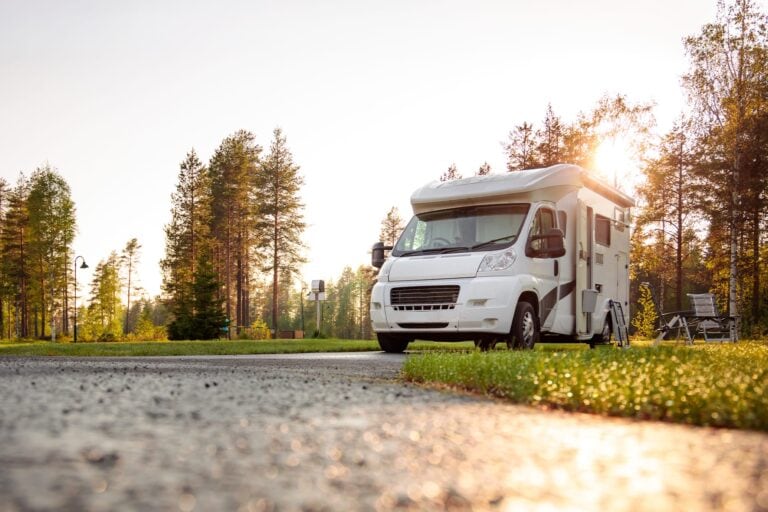
- You have a car, van or motorhome that you only use occasionally, such as for holidays or moving house
- A learner driver wants to practise in a friend’s or family member’s car without risking their no-claims bonus
With Dayinsure, you can typically:
- Take out comprehensive short-term cover from as little as a single hour up to 30 days
- Get a separate policy that sits alongside the owner’s main insurance, helping protect their no-claims bonus if something goes wrong
- Arrange cover quickly online, so you stay legal without having to change or restart your main annual policy
Temporary insurance isn’t a replacement for an annual policy if you use the car every day. But if you only need cover for specific journeys or short periods, it can be a simple, cost-effective way to stay on the right side of the law.
Know what you need and come to us if you need cover
Understanding when your car needs valid insurance cover can feel like a lot at first, but the core idea is simple. If your vehicle is on the road, or could reasonably be used on the road, it usually needs to be insured.
A car can only be left uninsured without breaking the rules in specific situations, like being properly SORN and kept off public roads.
By knowing how Continuous Insurance Enforcement works, when SORN applies, and what the penalties look like, you’re in a much better position to make confident decisions. You can choose when to keep a car fully insured, when to take it off the road, and when a short-term policy is enough for a one-off journey or occasional use.
If you only need cover now and then, you don’t have to force a full annual policy to fit. Temporary car insurance from a trusted provider like Dayinsure can give you flexible, comprehensive cover only for the time you actually drive.
Explore our temporary car insurance options today and get a quote for the cover you need, only for the time you actually drive.
Valid insurance cover FAQs
When does my car legally need to be insured in the UK?
Your car needs to be insured whenever it’s driven on a public road and, in most cases, when it’s kept on a public road too. Under Continuous Insurance Enforcement, most vehicles also need to be insured even when they aren’t being used, unless they qualify for a specific exemption such as SORN.
Do I need insurance if my car is parked but not SORN?
Yes. If your car isn’t declared SORN and is still on the DVLA’s records as an active vehicle, it usually needs to be insured, even if it’s parked and not being driven. This applies whether it’s parked on a public road or on private land, unless a specific exemption applies.
What are the rules for insurance under Continuous Insurance Enforcement?
Under Continuous Insurance Enforcement, the registered keeper must make sure the vehicle is always insured or is formally exempt, for example by being declared SORN. The DVLA compares its records with the Motor Insurance Database to find vehicles that appear to be uninsured, and can issue penalties, clamp or seize vehicles, or take court action if the problem isn’t fixed.
Can I keep a car uninsured on my driveway?
You can only keep a car uninsured on your driveway if it meets a legal exemption, most commonly being declared SORN and kept off public roads. Without SORN or another exemption in place, an uninsured car on your driveway can still be a problem under Continuous Insurance Enforcement.
Do you need car insurance to drive in the UK?
Yes. You must have at least third-party car insurance in place before you drive any vehicle on public roads in the UK. Driving without insurance is a criminal offence and can lead to fines, penalty points, vehicle seizure and higher future premiums.
What is the minimum car insurance required in the UK?
The legal minimum is third-party car insurance. This covers injury or damage you cause to other people and their property but doesn’t usually cover damage to your own vehicle. Many drivers choose comprehensive cover for wider protection.
Do I need insurance to tax my car?
Yes. To tax a car in the UK, it must be on the Motor Insurance Database as having valid insurance in place. If the car isn’t insured, you will normally not be able to tax it.
Do I need insurance to drive my car to an MOT test?
Yes. You must have valid insurance to drive to an MOT test, even if your car is currently without a valid MOT certificate. The MOT exemption for test journeys does not remove the need for insurance.
How do the police or DVLA check if my car is insured?
The DVLA compares its vehicle records with the Motor Insurance Database to identify vehicles that appear uninsured. Police can also use automatic number plate recognition (ANPR) cameras and roadside checks to see if a car is insured in real time. If your car appears uninsured and not exempt, you may receive a letter, a fixed penalty or face enforcement action.