On a cold winter morning, the last thing you want is to be stuck outside scraping at stubborn ice while the clock is ticking. De-icing your car is rarely fun, especially if you’re worried about causing damage while you do it.
If you’re wondering how to de-ice your car, there are simple steps you can follow. In this guide, we’ll walk you through the best way to de-ice your car, how to do it quickly and safely, some of the cheapest methods to try, and what to avoid. We’ll also share tips to stop your windscreen freezing in the first place.
What’s the best way to de-ice a car?
The best way to de-ice your car is to combine gentle heat inside the car with a proper ice scraper and a suitable de-icer spray.
Follow these car de-icing tips and you can’t go too far wrong:
- Start the engine and switch on the heater, directing the warm air towards the windscreen.
- Turn on the rear windscreen heater and heated mirrors if you have them.
- Switch on the air conditioning, if your car has it. This helps dry the air and reduces mist on the inside of the glass.
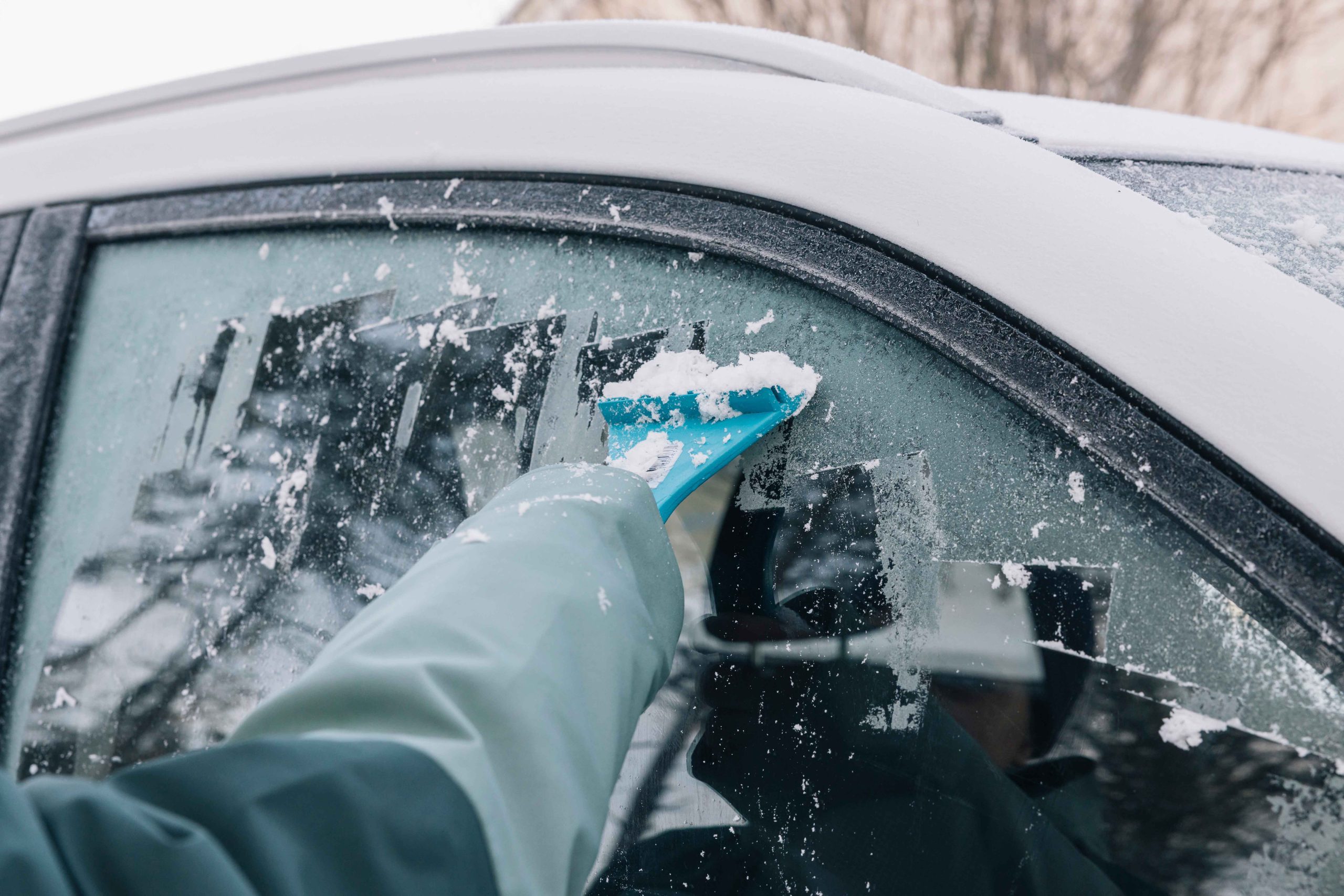
- Use a plastic ice scraper on the outside of the windscreen and windows. Work in smooth, straight strokes.
- Use a de-icer spray on thicker areas of ice and let it sit for a moment before you scrape.
This method is quick, safe and kind to your glass and paintwork. It avoids sudden temperature changes and sharp tools that could crack or scratch the windscreen.
How to de-ice your car quickly and safely
If you’re in a hurry, it can be tempting to cut corners. The key is to stay calm and follow a simple routine.
- Start the car and set the blowers to the windscreen on a warm setting.
- Clear the outside with a scraper and de-icer rather than waiting for the heaters alone.
- Work all the way around the car, clearing the windscreen, side windows, mirrors, lights and rear screen.
- Avoid using boiling water.
- Check your visibility from the driver’s seat before you move off.
Try not to rush. It’s better to take an extra couple of minutes on the drive than to set off with poor visibility.
Cheapest ways to de-ice your car this winter
If you want to save money on specialist de-icer, there are a few low-cost options that people use at home. Always test any DIY mix carefully and use it mainly on glass.
Rubbing alcohol (surgical spirit) solution
You can make a simple spray using rubbing alcohol (also called isopropyl alcohol or surgical spirit) and water. A common mix is two parts alcohol to one part water in a clean spray bottle. Spray it onto the ice, wait a moment, then scrape gently. Alcohol has a low freezing point, so it can help melt ice and resist re-freezing.
Diluted vinegar spray
A vinegar and water mix can help prevent frost and deal with light ice. Use a diluted mix, such as three parts water to one part vinegar, and spray it onto the outside of the windscreen. This is best for thin frost rather than thick ice. Avoid using strong vinegar solutions on rubber seals or paintwork.
Lukewarm water
You can pour a small amount of lukewarm water over the windscreen to soften ice, then scrape. The water must be warm to the touch, not hot. Never use boiling water, as it can crack cold glass and may re-freeze on the ground, creating a slip risk.
A note on salt and other hacks
Salt lowers the freezing point of water, so you might see some car de-icing tips suggesting salt on the windscreen. However, salt can damage paint and metal over time, so it’s better kept for paths and pavements, not your car.
The same goes for some viral “hacks” using things like onions or unusual sprays. They might work on very light frost but can be messy and are not always kind to your car. If in doubt, stick to gentle, proven methods.
Can you use warm water to de-ice a windscreen?
You can use lukewarm water, but you should never use hot or boiling water on a frozen windscreen. If you choose this method:
- Make sure the water feels comfortably warm, not hot.
- Pour it slowly over the glass rather than in one heavy splash.
- Be ready with your scraper and wipers once the ice has softened.
Hot water creates a sudden temperature change between the warm liquid and the very cold glass. This can cause tiny cracks to grow and, in some cases, the windscreen to crack completely. Lukewarm water is gentler, but you should still use it with care.
What should you not do when de-icing a car?
There are a few key things to avoid when you de-ice your car.
- Don’t use hot or boiling water on the glass. It can crack the windscreen.
- Don’t run the wipers over solid ice. This can tear the rubber blades and strain the motor.
- Don’t use metal tools or sharp edges like kitchen spatulas or screwdrivers. They can scratch or chip the glass.
- Don’t drive off with only a small peephole cleared. You need clear views through all windows and mirrors.
- Don’t leave your car running unattended with the keys inside. This increases the risk of theft and may affect your insurance if the car is stolen.
Avoiding these mistakes helps you protect your car and stay safe on the road.
How can you de-ice a car without an ice scraper?
If you don’t have a scraper handy, you still have options.
You can:
- Use a de-icer spray and a soft cloth to wipe away the melting ice.
- Use a rubbing alcohol solution in a spray bottle, then wipe or gently push the slush away with a cloth.
- Use lukewarm water to soften the ice, then clear it before it re-freezes.
- As a last resort, you can use a sturdy plastic card (like a supermarket loyalty card), but use light pressure and smooth strokes to reduce the risk of scratching.
Try to avoid using anything metal or very hard. It’s better to take a little longer than to damage your glass.
How to stop your windscreen freezing overnight
Stopping ice from forming can save you time every morning.
You can:
- Use a windscreen cover or sheet. A purpose-made cover, old bedsheet or rubber mat placed over the windscreen and secured under the wipers can make a big difference.
- Park in a sheltered spot, such as a garage, carport or close to a wall or hedge, if possible. This can reduce frost build-up.
- Fold in or cover your mirrors with bags or mirror covers, so you don’t have to scrape them separately.
- Use a suitable glass treatment or a mild vinegar solution the night before to help reduce frost sticking to the glass.
- Check your washer fluid has a winter-grade screenwash that can cope with lower temperatures.
These small habits can help you avoid heavy scraping and make winter mornings feel much easier.
How to de-ice the inside of your car
- Start the engine and set the heater to warm, directing the airflow towards the windscreen.
- If your car has air conditioning, switch it on. This helps remove moisture from the air and clears the glass faster.
- Keep the air setting on fresh air rather than recirculate, as this reduces condensation.
- Avoid wiping the inside of the windscreen with your hand or a rough cloth, as this can smear the glass and reduce visibility.
- If icing or misting happens often, remove damp items like wet coats or floor mats to help keep moisture levels down.
Once the glass is clear, keep the warm air flowing for a few minutes to help stop the mist or ice from coming back while you drive.
Winter safety and the law
De-icing your car is important to stay both safe and on the right side of the law.
In the UK, you’re expected to have clear visibility through your windscreen and windows before you drive. If your view is restricted by ice or mist and this leads to unsafe driving, you could be stopped by the police and may face a fine or other penalties.
It’s also important to:
- Clear all windows, mirrors, lights and number plates, not just the front screen.
- Avoid leaving the engine idling unnecessarily on a public road. Local rules allow fines for drivers who refuse to switch off when asked.
- Never leave your car running with the keys inside while you go back indoors. This makes it easy for thieves and can affect any insurance claim if the car is stolen.
Taking a few extra minutes to de-ice properly helps you stay safe, legal and protected.
Stay safe and covered this winter
De-icing your car doesn’t have to be a daily battle. With a quick and easy routine, the right tools and a few low-cost tricks, you can clear your windscreen quickly and safely, protect your car and start winter journeys feeling calm and in control.
If you’re borrowing a car this winter, driving a different vehicle in bad weather or sharing driving duties on a trip, you may also need flexible insurance.
Get quick, flexible temporary car insurance cover with Dayinsure and feel more confident every time you head out in winter.
FAQs on how to de-ice a car
How do you de-ice a car quickly and safely?
Start the engine, set the warm air to the windscreen, switch on the rear heater and your air conditioning if you have it. Use a plastic ice scraper and de-icer spray on the outside glass. Clear all windows, mirrors and lights, then check your visibility before you drive off.
Can I use warm water to de-ice a windscreen?
You can use lukewarm water, but never hot or boiling water. Warm water can help soften the ice so you can scrape it away more easily. Pour it slowly and carefully, and be ready to clear any slush before it re-freezes. Avoid strong temperature shocks to the glass.
What should you not do when de-icing a car?
Don’t pour hot or boiling water on the windscreen, don’t run wipers over solid ice and don’t use metal or very hard tools. Avoid driving with only a small patch of glass cleared and don’t leave the car running with the keys inside. These mistakes could lead to damage, theft or safety risks.
How can you de-ice a car without an ice scraper?
You can use a de-icer spray and a soft cloth, a rubbing alcohol and water solution, or lukewarm water to soften the ice and then wipe it away. As a last resort, a sturdy plastic card can help, but use gentle pressure. Avoid sharp or metal objects that could scratch the glass.
How do you stop your windscreen freezing overnight?
Use a windscreen cover or sheet, park in a sheltered spot where possible and fold in or cover your mirrors. You can also apply a suitable glass treatment or mild vinegar solution the night before to reduce frost sticking. Keeping winter-grade screenwash in your washer bottle will also help on cold mornings.